

Lead-Grow

Project management for strategic initiatives in the age of AI.
As we hand more decisions to AI, human commitment is what keeps strategic initiatives on course. Lead-Grow turns private intentions into public commitments — and public commitment is what drives accountability and execution.
See the chaos. Name the owner. Surface the blast radius.
Lead-Grow dependency map showing rooms, owners, dependencies and blast radius color-coded by health

Why human commitment matters now

Strategic initiatives rarely fail for lack of a tool. They fail when commitments quietly fade after the meeting ends. As organizations delegate more decisions to AI agents, the human side of execution — who committed to what, and whether they followed through — becomes the part that needs the most care.
Lead-Grow is project management built around people, not tasks. It turns private intentions into clear, public commitments the whole team can see. A commitment made in the open is one you are accountable for — and accountability is what moves strategic initiatives from intention to done.
Public commitment
Accountability
Initiative execution

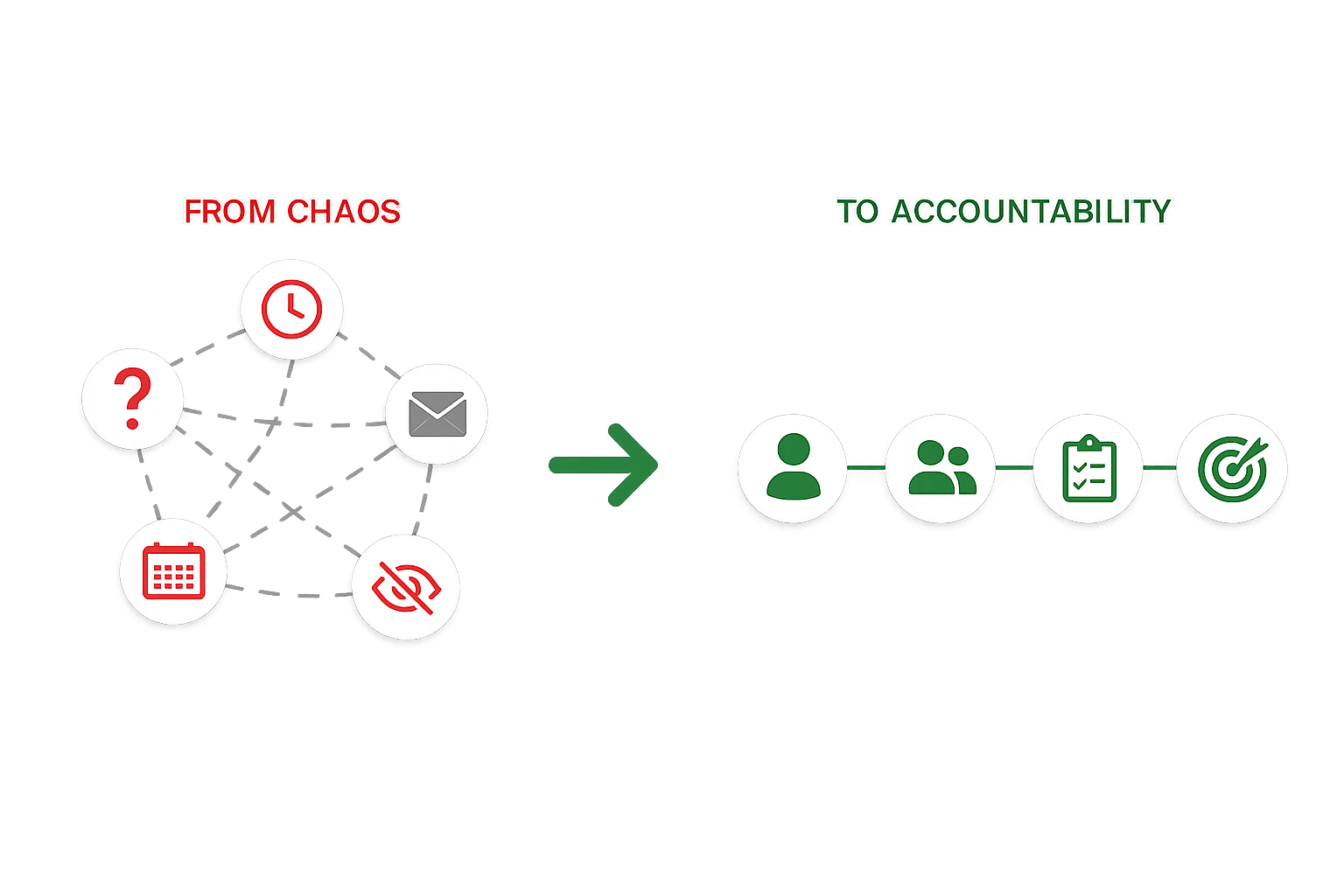
When projects go opaque

Daily operations bury the strategic work. Status updates sound positive while the outcome quietly stalls. By the time the cost shows up in the business, the trail is already cold.
  • Information overload — too many tools, threads, and updates, and no single honest view of where things stand.
  • Invisible dependencies — one blocked task quietly stalls five others, and nobody sees it coming.
  • Soft status — frustration turns into helplessness, and the business impact arrives long after the moment to act has passed.

How Lead-Grow works

1
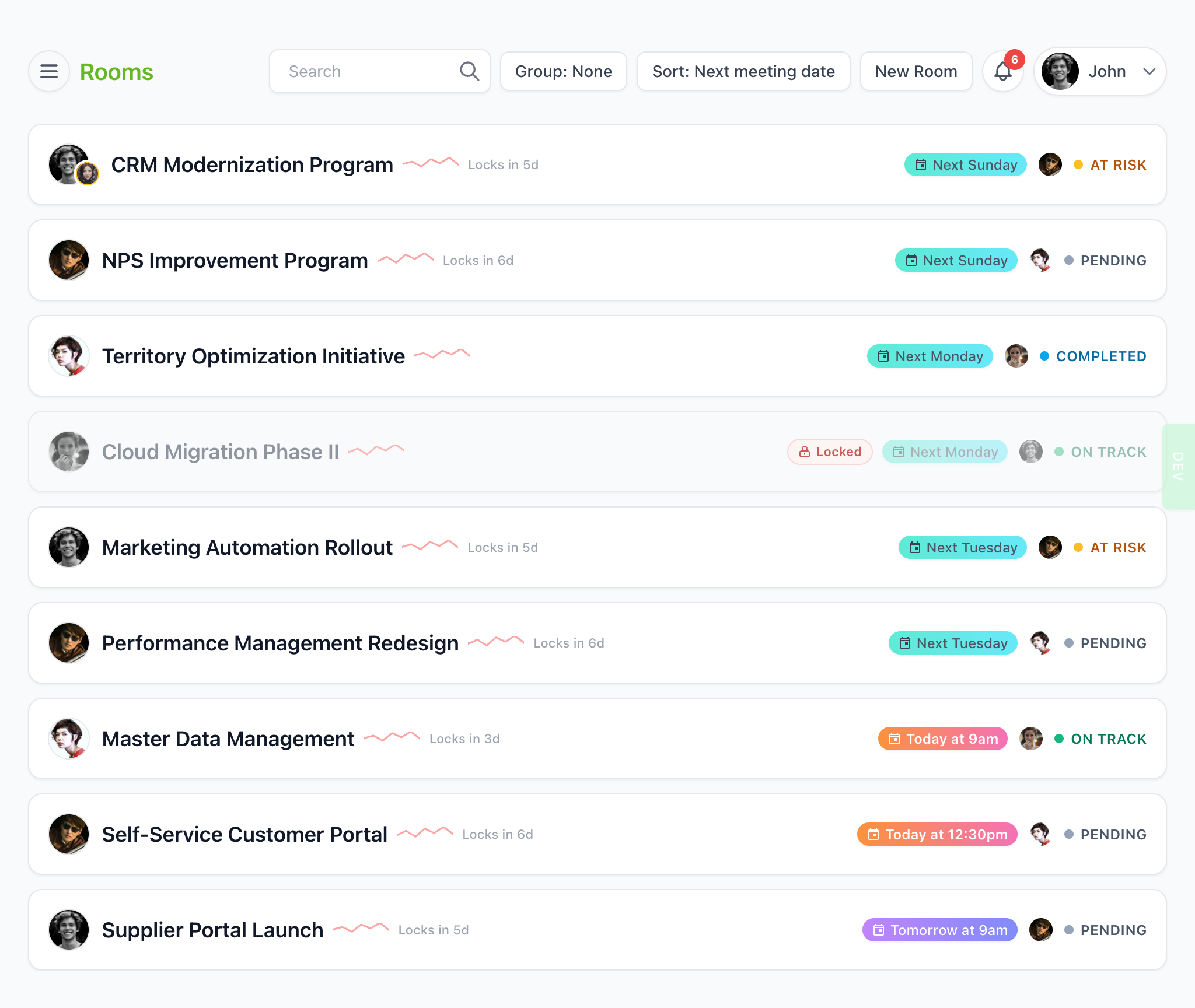
One honest overview Every initiative becomes a Room on a single Status Page. Green, yellow, or red at a glance — no digging, no spin. When a Room goes quiet, it locks, and everyone can see it.
Lead-Grow Rooms status overview with health badges and lock timers
2
Trace what blocks what View work by person or by process, follow the blocked links, and see the blast radius of any Room — how many other Rooms a single delay puts at risk. It is the difference between firefighting and preventing the gridlock in the first place.
3
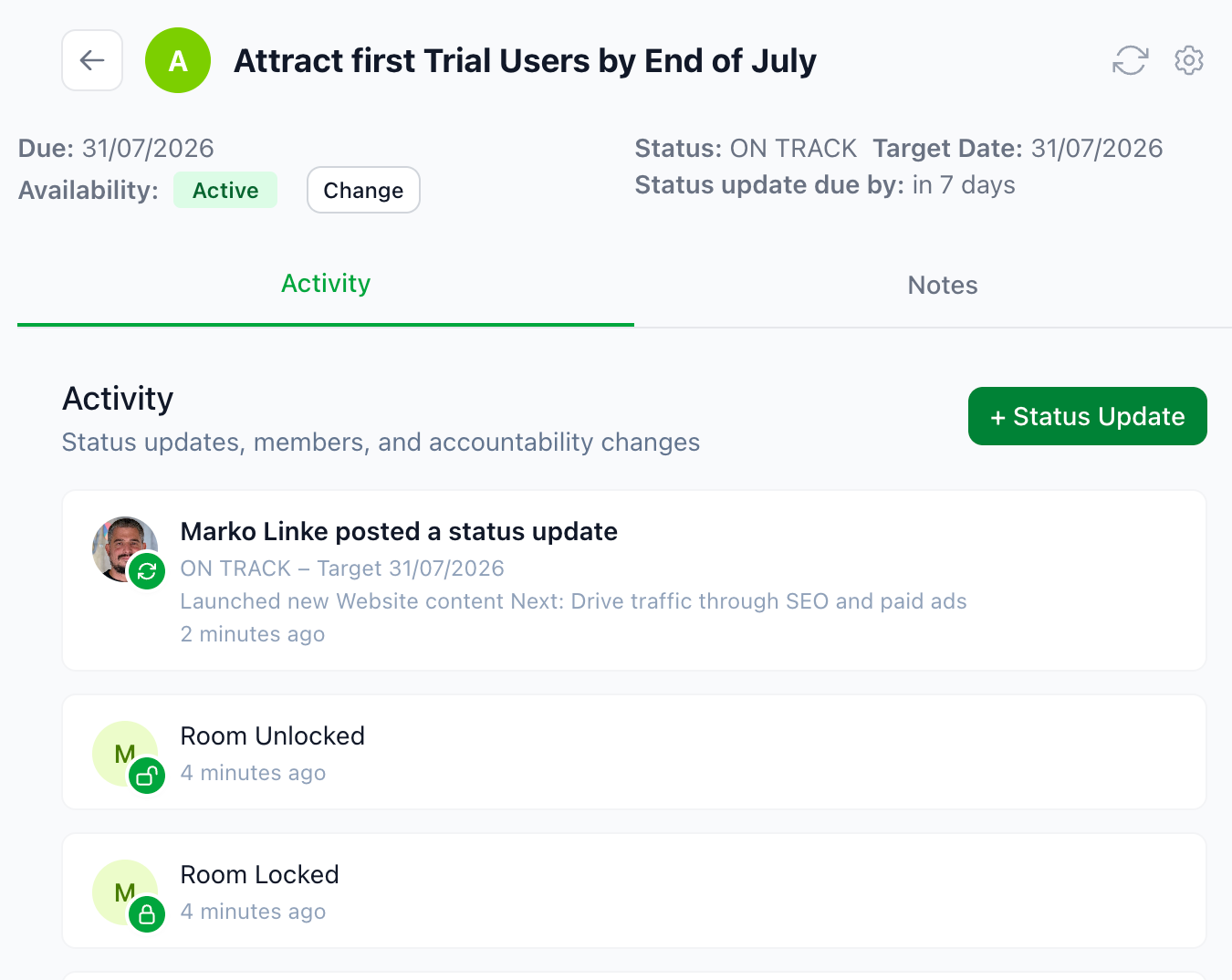
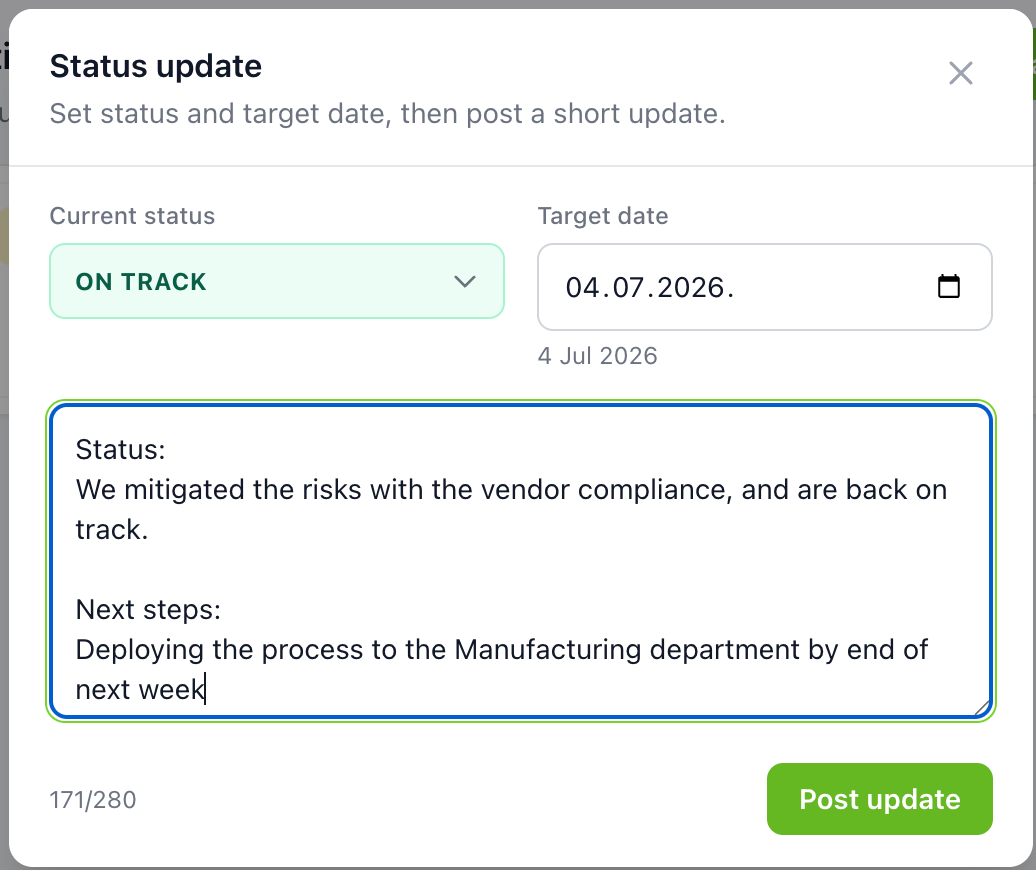
Force status truth Only the Room owner can post status, and they do it in their own words — current state, target date, next steps. We pull the human forward and make them show up, be visible, and own it.
Lead-Grow Room details with status, target date and activity feed
Lead-Grow status update dialog with status, target date and a short written update
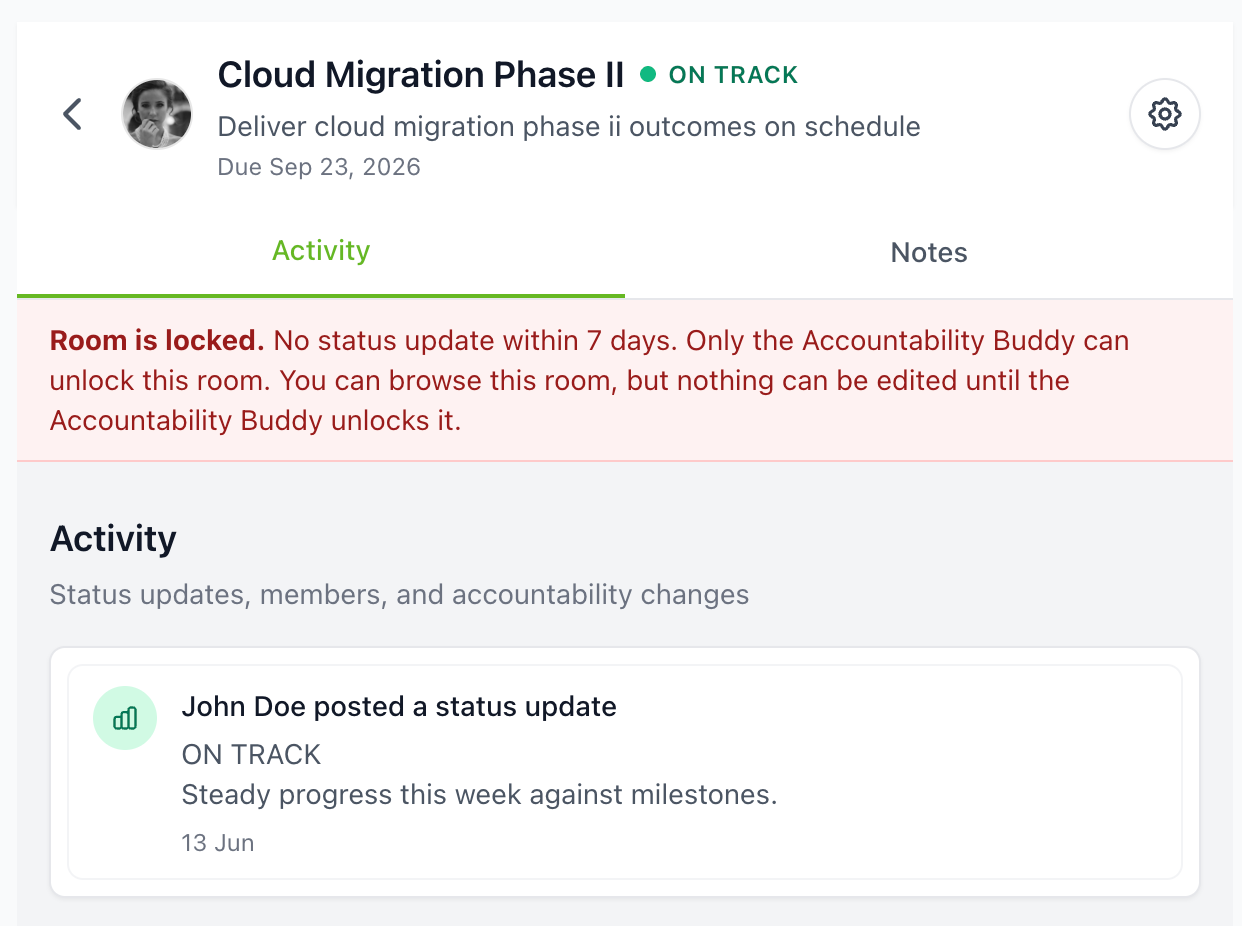
Lead-Grow Room locked because no status update was posted within seven days
4
Consequences when updates stop Each Room carries a time bomb counting down to zero. Miss your status window and the Room locks — it can be browsed, but nothing can be edited until the Accountability Buddy unlocks it.
5
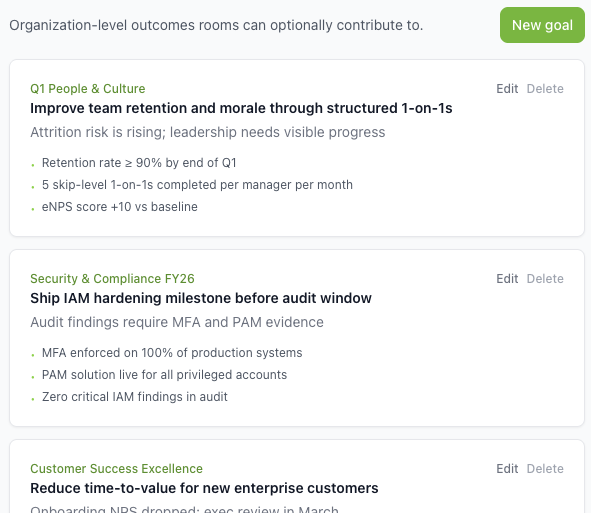
Align to outcomes Every Room states how it contributes to a larger goal. By reading those stated goals alongside the dependency map, Lead-Grow builds an OKR-like structure that keeps the day-to-day pointed at the outcomes that matter.
Lead-Grow organization-level outcome goals that Rooms contribute to

The Accountability Buddy

Behind every locked Room is a real person with authority — never an algorithm. The Accountability Buddy is the first layer of social pressure: they are the only one who can unlock a Room, and their job is to make sure the owner shows up. Public visibility is the second layer.

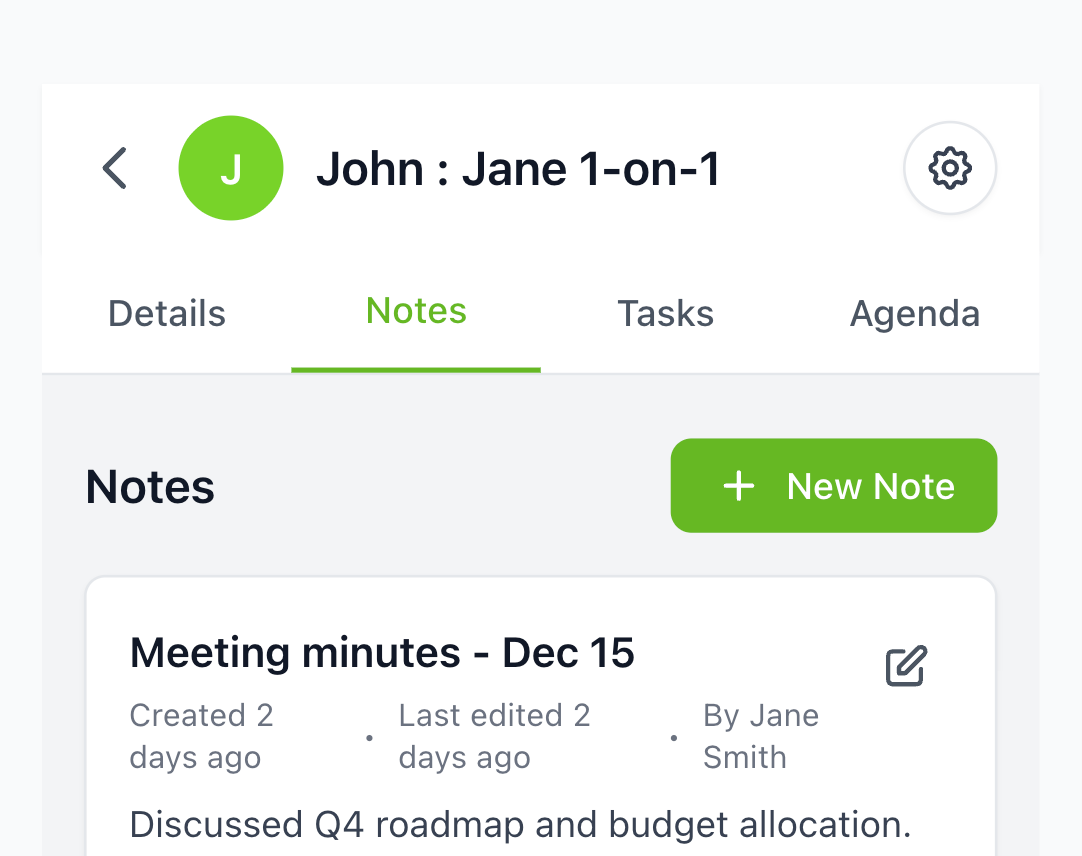
Lead-Grow Room notes for in-context collaboration and meeting records

Works with your stack

Lead-Grow is an orchestration layer, not a replacement. Notes, agendas, and tasks live alongside your work in Jira, Salesforce, Slack, and the rest — Lead-Grow adds the accountability and visibility on top, without forcing your team to migrate.

Who it's for

  • Project and program managers who need to stay in control without chasing everyone
  • Initiative owners and executive sponsors who need a truthful, real-time picture of progress
  • Operations leaders responsible for cross-functional work spanning many teams and tools
  • Teams where everyone agrees in the meeting, then execution quietly goes soft afterwards

FAQ

What is Lead-Grow?

Lead-Grow is project management for strategic initiatives in the age of AI. It turns private intentions into public commitments using Rooms, dependency maps, and accountability — so teams can see the real status of important work without chasing updates.

What is a Room in Lead-Grow?

A Room is a container for one initiative on a shared Status Page. Each Room has an owner, a health badge (green, yellow, or red), and a lock timer — if the owner misses their status window, the Room locks until an Accountability Buddy unlocks it.

What is blast radius in Lead-Grow?

Blast radius shows how many other Rooms a single delay puts at risk. By tracing blocked links across people and processes, Lead-Grow surfaces gridlock before it spreads — the difference between firefighting and preventing failure.

Who is the Accountability Buddy?

The Accountability Buddy is a real person with authority in the organization — never an algorithm. They are the only one who can unlock a Room when updates stop, adding social pressure alongside public visibility.

Does Lead-Grow replace Jira, Salesforce, or Slack?

No. Lead-Grow is an orchestration layer on top of your existing stack. Notes, agendas, and tasks live alongside work in Jira, Salesforce, Slack, and other tools — Lead-Grow adds accountability and visibility without forcing migration.

Lead-Grow — pattern recognition before project failure.
Request a stalled initiative pilot